
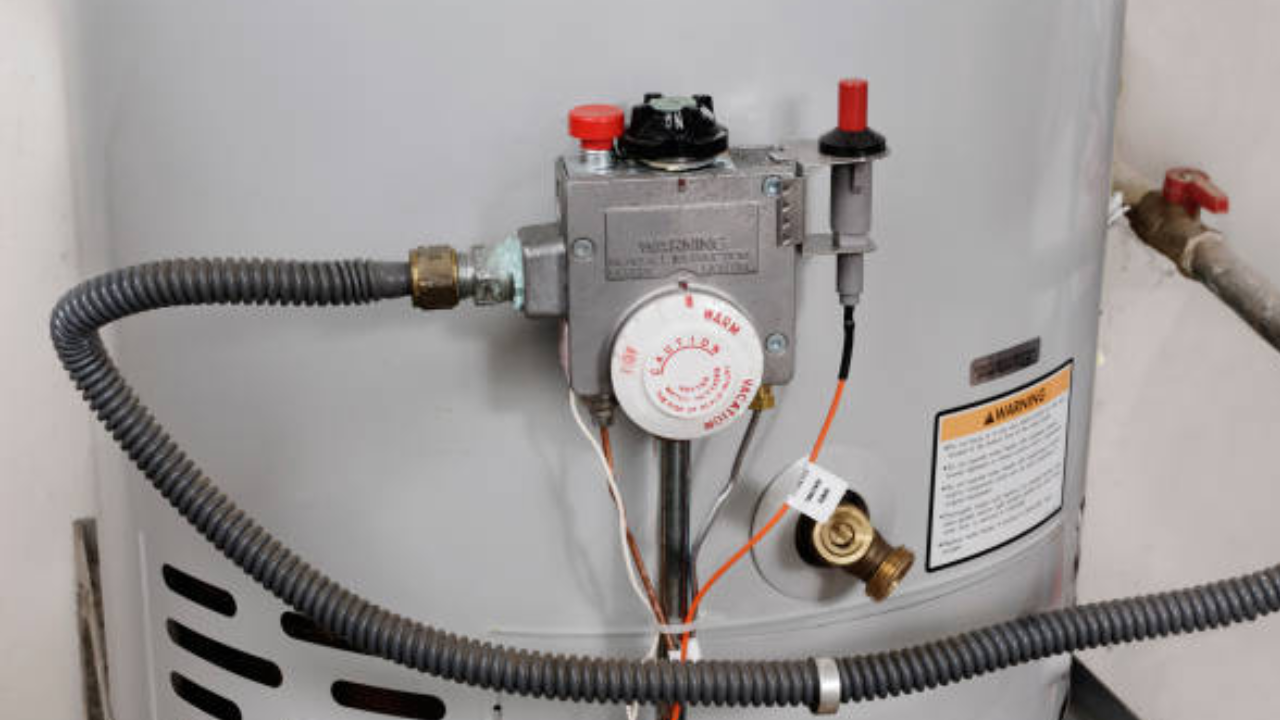
A water heater is one of the most crucial appliances in your home. It provides hot water for showers, doing laundry, washing dishes, and more. However, like all appliances, water heaters don’t last forever, and they require regular maintenance to function properly.
If you’re in Simi Valley and need water heater repair, understanding when to repair your water heater versus when to replace it can save you both time and money.
Whether it’s a minor issue or a more significant problem, knowing when to seek professional water heater repair in Simi Valley can ensure your system operates efficiently for years to come. Here, we’ll discuss the factors to consider when deciding whether to replace or repair your water heater.
The Cost of Water Heater Repairs vs. Replacement
When your water heater malfunctions, you may be wondering, “Should I repair it, or is it time for a new one?” While repairing a water heater is typically more affordable than replacing it, this only holds true if the problem is minor. Issues like a faulty thermostat, sediment buildup, or small leaks can often be fixed for a fraction of the cost of a replacement. However, as your water heater ages, the frequency and cost of repairs tend to increase. In these cases, replacing the unit may be more cost-effective in the long run.
Factors to Consider Before Deciding
Here are several key factors to help you determine whether to repair or replace your water heater:
- Age of the Water Heater
The typical lifespan of a water heater is 8-12 years, depending on the type and how well it has been maintained. If your water heater is over 10 years old, it might be nearing the end of its life, even if it’s still functioning. Older models often lose efficiency, which can lead to higher operating costs. If your unit is over 12 years old and requires repairs, it’s usually more cost-effective to replace it altogether. - Severity of the Problem
Not all water heater issues are the same. Some problems are relatively easy to fix, while others may require a full replacement. Common issues that are often repairable include:- Noisy water heater: Usually caused by sediment buildup. Flushing the tank or replacing the anode rod can often resolve the issue.
- Water temperature issues: Often fixed by adjusting or replacing the thermostat or heating elements.
- Leaks: Small leaks can sometimes be sealed, but larger leaks, especially at the base of the tank, typically require replacement.
However, if your water heater has a cracked tank or shows significant rust and corrosion, it is generally beyond repair and will need to be replaced.
- Cost of Repair vs. Replacement
Sometimes the cost of repairing a water heater can approach the cost of a new one. If the repair cost is high, especially for an older unit, replacing it with a new, energy-efficient model may be the better financial decision. A good rule of thumb is to consider replacement if the repair costs exceed 50% of the price of a new unit. Furthermore, a new, energy-efficient water heater will save you money on utility bills in the long run. - Efficiency and Energy Consumption
Older water heaters are generally less energy-efficient, which can increase your monthly utility bills. Modern models are designed to be more energy-efficient, with better insulation and advanced heating elements. If your water heater is consuming more energy than it should, replacing it with a newer model could lead to significant savings on your energy costs. Additionally, tankless water heaters, which provide hot water on demand, are a more energy-efficient option for many homeowners. - Safety Concerns
Water heaters that leak, corrode, or have exposed wiring can pose safety hazards. For example, a gas water heater that isn’t properly maintained can lead to a gas leak, creating the potential for a fire or explosion. If the tank is severely corroded or if there’s a gas leak, replacing the unit immediately is essential for your safety.
Conclusion
Deciding whether to repair or replace your water heater depends on factors such as the unit’s age, the severity of the problem, and the cost of repairs. If you find yourself facing frequent or expensive repairs, replacing your water heater with a newer, energy-efficient model may be the best option. Always consider the long-term costs, safety, and energy efficiency when making your decision to ensure your home’s comfort and optimal performance.
Read more: thepeoplefeed.com