
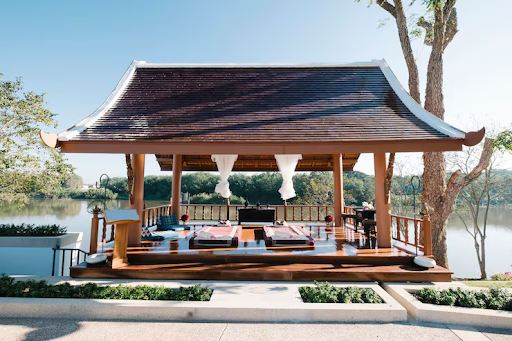
Outdoor structures come in many forms, and two of the most commonly confused are the pagoda and the pergola. While both add shade and architectural interest to a yard, their construction, roofing, and overall purpose differ enough that choosing the right one matters for both function and style.
Understanding these differences upfront helps avoid the disappointment of installing a structure that does not actually solve the weather protection problem you were hoping to address.
Both structures have long histories in garden design, and modern versions have evolved considerably in materials and construction while keeping their core defining characteristics intact.
Knowing these details in advance makes the final decision much simpler.
The comparison below covers roofing, weather protection, and overall cost so you can weigh both options with confidence.
What Is a Pagoda in Garden Design?
Understanding the pagoda vs pergola distinction helps homeowners select a structure that fits their climate, intended use, and the aesthetic they want for their outdoor living space.
In residential landscaping, what is a pagoda usually refers to a structure with a solid, often multi-tiered roof inspired by East Asian architecture, providing full shade and rain protection. Unlike open-roof structures, a pagoda functions more like a small pavilion, offering shelter regardless of weather conditions.
What Defines a Pergola
A pergola typically features an open, slatted roof supported by posts and beams, designed to filter sunlight rather than block it entirely. Many homeowners add climbing plants or retractable canopies to increase shade over time, making pergolas a flexible option that can evolve with the garden.
This adaptability is one of the biggest draws for homeowners who want a structure that can change in appearance and function as their landscaping matures over several seasons.
Comparing Roof Structure and Weather Protection
The clearest distinction in the pagoda vs pergola comparison comes down to the roof. A pagoda’s solid covering blocks rain and offers consistent shade, while a pergola’s open slats let in dappled light and require additional coverage for full rain protection. This makes pagodas better suited to climates with frequent rainfall.
Choosing a Garden Pagoda for Full Coverage
A garden pagoda works well as a dedicated outdoor dining or lounging area where reliable shelter matters most. Because the roof is solid, furniture and cushions underneath stay protected even during light rain, which extends how often the space can be used throughout the year.
The tiered roofline typical of this style also adds a distinct architectural silhouette that many homeowners use as a deliberate design statement within the broader landscape.
When a Pagoda Style Gazebo Fits Best
For those wanting a fully enclosed, freestanding feature rather than an attached structure, a pagoda style gazebo offers similar weather protection with a more distinct, centerpiece presence in the yard. This style suits larger properties where the structure can stand on its own as a focal point.
Cost and Maintenance Differences
A solid-roof pagoda generally costs more upfront due to the additional roofing materials and structural support required to carry that weight, while an open pergola tends to be less expensive and quicker to build. Maintenance also differs: solid roofing needs periodic inspection for leaks and debris buildup, whereas an open lattice roof requires little more than occasional cleaning.
Climbing plants added to a pergola do introduce their own maintenance needs, including pruning and support checks, which should be factored into the long-term upkeep comparison between the two structures.
Which Option Suits Your Climate Best
In regions with heavy rainfall or intense summer sun, the reliable coverage of a pagoda-style roof often proves more practical for year-round outdoor living. In milder climates where filtered light and a more open feel are prioritized, a pergola’s flexibility tends to be the better match.
Some homeowners split the difference by adding a retractable canopy or shade sail to a pergola frame, gaining adjustable coverage without committing to a fully solid roof structure.
Conclusion
Both structures add value and character to outdoor spaces, but they serve different needs. If reliable shelter from rain and sun matters most, a pagoda-style structure is the better fit; if you prefer filtered light and a more open, adaptable feel, a pergola remains the classic choice.
Weighing your climate, budget, and how you plan to use the space will point clearly toward the better option for your particular yard.
Whichever structure you settle on, matching it to your local weather patterns and intended use will ensure it earns its keep for years to come.