
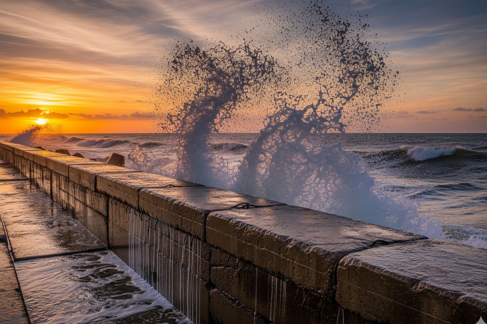
For Florida homeowners on the coast, seawall construction is less a luxury and more a necessity — especially if you value your yard, driveway, or that dock you paid too much for. Sea level rise, storm surge, and regular erosion are real threats; a properly designed seawall is a blunt instrument that protects property and preserves access.
Why seawall construction in Florida matters now
Shorelines change. Not slowly; sometimes in a single storm. That’s why investing in seawall construction in Florida should be a strategic decision based on erosion rates, tidal patterns, and the materials used. A seawall is not a forever fix — it’s an engineered defense that buys you years of protection when done right.
Types, materials, and what actually works
There’s no one-size-fits-all. Common approaches include:
- Bulkhead walls (vinyl or timber): cheaper up front, wear faster.
- Concrete seawalls: durable, costly, but often the best long-term value.
- Sheet pile systems: steel or composite, good where soils are soft.
- Living shorelines: softer solutions that combine habitat with stabilization; not always an option where property protection is the priority.
Choosing among these requires soil testing, load calculations, and knowledge of Florida coastal regulations. For most coastal properties, seawall construction in Florida is the baseline option for protecting hard infrastructure. Cutting corners to save a few bucks often yields higher repair bills (and headaches) later.
Permits, environmental rules, and red tape
Don’t let cheap talkers tell you a permit is optional. In Florida, local counties and the state have permitting for shoreline work for good reasons: to protect public trust resources and neighbors’ property. Plan for:
- Survey costs and engineering reports.
- Multiple permit reviews (county, state, and possibly federal for certain water bodies).
- Time: permitting, it can take weeks to months.
Yes, it’s annoying. No, you shouldn’t skip it. Proper permitting is part of what separates professional seawall construction contractors in Florida from fly-by-night operators.
Cost expectations and ROI
Financing and value: Many homeowners spread the cost with home equity lines or specialized marine construction loans — something to consider if upfront quotes feel steep. For context, robust concrete seawalls often run from $100–$300+ per linear foot, depending on site access, materials, and required elevation. When evaluating bids, ask for a lifecycle cost estimate, not just the day-one price.
Think in lifecycle terms: a cheaper solution now might cost double in 5–10 years. When sellers advertise “small investment,” translate that to: “We’ll be back for repairs.”
Choosing a contractor: what to demand
Hire firms that provide:
- Engineering-backed designs and stamped drawings.
- A clear warranty and maintenance plan.
- Evidence of local experience and references.
- Proof of insurance and permits handled previously.
Ask for itemized bids, clarifying mobilization, dewatering, and disposal costs. If a contractor won’t provide engineering, walk away. If you want a local team that handles engineering-to-installation and has experience across Florida waterways, see professional options like seawall construction in Florida at MCI Docks for timelines and sample work. A little vetting up-front usually saves you more than the cost of the seawall.
Maintenance and long-term care
Post-construction maintenance is non-negotiable: monitor for scouring, check expansion joints, and keep vegetation off the seawall face. Regular inspections after storm seasons avoid surprises.
Also, have a storm plan: secure loose objects, document pre-storm photos for insurance, and schedule a post-event inspection to catch undermining early.
Environmental tradeoffs: Concrete walls are effective at protecting property but can disrupt natural sediment flows and shoreline habitat. Where possible, discuss hybrid approaches with your engineer that combine structural protection with habitat-friendly elements.
Quick checklist before you sign
- Confirm engineering is included.
- Verify permit responsibility and timelines.
- Get a written warranty and maintenance schedule.
- Understand access challenges that may add to cost.
- Ask explicitly about dewatering, disposal, and contingency fees.
If the price looks too good and the contractor avoids specifics, consider that your red flag. Shortcuts today mean emergency repairs tomorrow.
Conclusion
Seawall construction in Florida is a serious investment — one that engineering, permits, and realistic lifecycle costs should drive. Skip the shortcuts; hire pros who treat your shoreline as infrastructure, not landscaping. Your property and your future self will thank you. If you’re weighing options, remember that seawall construction in Florida is an investment in resilience, not just curb appeal.