
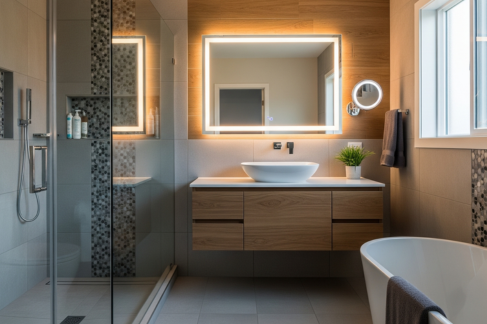
A bathroom remodel is one of the most rewarding home improvement projects, offering both aesthetic and functional upgrades. However, without a clear budget in place, costs can quickly spiral out of control.
Whether you’re planning a minor facelift or a full-scale renovation, effective budgeting is key to ensuring your project runs smoothly and stays within your financial limits. Here’s how to budget effectively for your bathroom remodel construction project.
Define Your Goals and Priorities
Before you even look at materials or contractors, take time to clarify your goals for the remodel. Are you aiming to improve functionality, update the design, add storage, or increase the resale value of your home? Rank your priorities so you know where to allocate more of your budget and where you can cut back if needed. This will serve as your roadmap throughout the project.
Establish a Realistic Budget Range
After identifying your goals, determine how much you’re willing and able to spend on the entire project. Bathroom remodels can range from a few thousand dollars for minor updates to tens of thousands for high-end transformations. Setting a realistic budget helps you avoid overspending and allows you to make smart decisions early on.
Include a 10–20% contingency in your budget for unexpected costs such as water damage, mold remediation, or outdated plumbing that needs replacement. These hidden issues are common in older homes and can quickly eat into your planned spending.
Break Down the Costs
Once you have a total budget, break it down into specific categories. This will give you a clearer view of how your money will be spent and help you make adjustments if necessary. Common categories include:
- Labor: Often 40–60% of your budget. This includes contractors, plumbers, electricians, and tile installers.
- Materials and Fixtures: Includes items like tiles, vanities, lighting, bathtubs, faucets, and toilets.
- Permits and Fees: Depending on your location and the scope of your remodel, you may need permits, which add to your cost.
- Design Costs: If you hire a designer or architect, include their fees in your budget.
- Demolition and Disposal: Don’t forget the cost of removing and disposing of old fixtures and debris.
By having a detailed breakdown, you can spot areas to save or splurge more easily.
Research Material Costs in Advance
Material choices greatly affect the overall cost of your remodel. Research different types of tiles, countertops, lighting, and fixtures to find options that suit your budget. For example, ceramic tiles are generally more affordable than natural stone, and prefabricated vanities cost less than custom-built ones.
Compare prices at multiple stores, and consider online suppliers as well. Keep an eye out for sales and discounts that can help you stay under budget without compromising on quality.
Get Multiple Quotes from Contractors
Labor is one of the biggest expenses in any remodeling project, so getting multiple quotes from licensed professionals is essential. Don’t automatically choose the cheapest option. Evaluate their experience, past work, timeline, and reviews. A lower bid may result in poor workmanship or hidden costs down the line.
When you compare estimates, make sure each contractor is quoting for the same scope of work. Inconsistent details can lead to misunderstandings and budget issues later.
Consider What You Can DIY
Doing some of the work yourself can significantly cut labor costs. Tasks like painting walls, removing old fixtures, or even tiling (if you’re experienced) are feasible for many homeowners. However, be honest about your skill level. Poorly done DIY work can result in costly repairs and delays.
Choose tasks you’re confident handling and leave plumbing, electrical work, and structural changes to the professionals to ensure safety and code compliance.
Avoid Scope Creep
One of the easiest ways to blow your budget is by changing your mind frequently during the project. Adding new features or upgrading materials mid-way increases costs and often causes delays. To avoid this, finalize your plans before bathroom remodel construction begins and stick to them.
If you do decide to make a change, assess the cost and timeline implications first. In some cases, it may be better to postpone the addition for a future phase of remodeling.
Choose Long-Term Value Over Short-Term Savings
While it’s important to stay within your budget, don’t sacrifice quality for short-term savings. Cheap fixtures and materials may wear out faster and require replacements sooner, ultimately costing more in the long run. Focus on investing in items that add value to your home and have a long lifespan.
Energy-efficient lighting, water-saving fixtures, and durable surfaces may cost more upfront but can lead to savings in utility bills and maintenance over time.
Track Your Spending Closely
During the remodel, keep a detailed record of all expenses, including receipts, invoices, and payment schedules. Use a spreadsheet or budgeting app to monitor your spending and compare it to your original plan. This visibility helps you make quick decisions if you’re approaching your budget limit and allows for better financial control.
Regularly communicate with your contractor to stay updated on cost changes, especially if something unexpected arises. Transparency and vigilance are key to avoiding budget overruns.
Plan for the Future
Finally, consider how your bathroom remodel fits into your long-term plans. If you intend to sell your home in the near future, focus on upgrades that offer high return on investment. If you plan to stay for many years, tailor the remodel to your lifestyle and comfort.
Think about features like improved lighting, better ventilation, or added storage that enhance everyday usability and reduce future renovation needs.
Conclusion
A successful bathroom remodel starts with a solid, well-thought-out budget. By setting realistic expectations, doing your research, breaking down costs, and tracking your expenses, you can enjoy a smooth renovation process without financial stress. With careful planning and smart decisions, your new bathroom will be a worthwhile investment that adds both beauty and value to your home.