
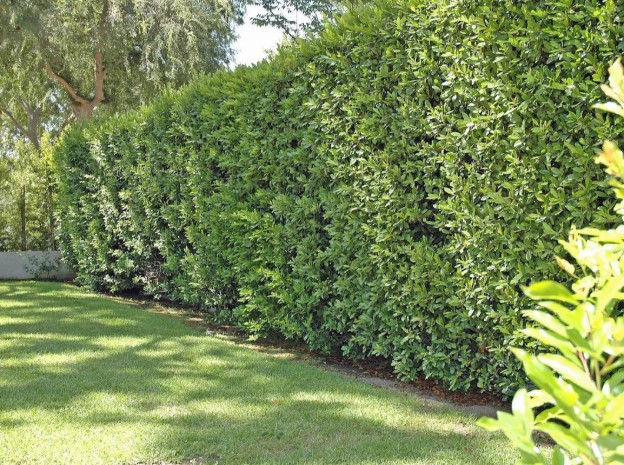
The Carolina Cherry (Prunus caroliniana), also known as the Carolina Cherry Laurel, is a versatile evergreen shrub or small tree native to the southeastern United States. Highly valued for its dense, glossy foliage and adaptability, this plant has become a popular choice for homeowners and landscapers looking to create living walls, windbreaks, or elegant privacy screens. With its year-round greenery and low-maintenance nature, the Carolina Cherry offers both aesthetic appeal and practical benefits, making it one of the most dependable hedge plants available for warm climates.
Appearance and Growth Habits
Carolina Cherry is characterized by its dark green, leathery leaves and neat, upright growth pattern. It typically grows 15 to 25 feet tall but can be maintained easily at shorter heights through pruning. The plant produces small, fragrant white flowers in spring, followed by small black berries that attract birds and other wildlife. Its compact growth and evergreen nature make it an ideal candidate for formal hedges, privacy barriers, and noise screens.
Benefits of Using Carolina Cherry as a Hedge
One of the main advantages of Carolina Cherry is its evergreen nature. Unlike deciduous species that lose their foliage in winter, this plant remains lush and green throughout the year, ensuring continuous privacy and visual appeal. Its dense canopy effectively blocks unwanted views and reduces noise from busy streets, providing a natural sense of seclusion.
Another significant benefit is its adaptability. Carolina Cherry tolerates a wide range of soil types, from sandy to clay, and can thrive in both full sun and partial shade. Once established, it is drought-tolerant and requires minimal watering, making it suitable for regions with hot, dry summers. Its resilience also extends to urban settings, where it can withstand pollution, heat, and compacted soils.
Carolina Cherry’s rapid growth rate is another asset. It can gain up to two feet of height per year under optimal conditions, allowing property owners to establish an effective privacy screen in a relatively short period. The plant’s ability to recover quickly from pruning ensures that hedges maintain their desired shape and density over time.
Maintenance and Pruning
Maintaining a Carolina Cherry hedge is relatively straightforward. Regular pruning is essential to promote dense growth and maintain a uniform appearance. The best time to prune is in late winter or early spring before new growth begins. For a more formal hedge, shaping two to three times a year will keep the plant compact and tidy.
It is important to note that the Carolina Cherry can become quite large if left unpruned, sometimes reaching small tree proportions. However, with proper care, it can be maintained easily at heights of 6 to 10 feet, perfect for residential screening. Mulching around the base helps retain soil moisture and suppress weeds, while occasional fertilization in spring supports healthy, vigorous growth.
Pests and Disease Considerations
While Carolina Cherry is generally hardy and low-maintenance, it can experience a few pest and disease issues. Common problems include root rot from overwatering or poor drainage, and infestations from scale insects or borers. Regular inspection and proper cultural care help prevent these issues. Ensuring good air circulation, avoiding excessive irrigation, and keeping pruning tools clean can significantly reduce the risk of disease.
Environmental and Aesthetic Value
Beyond its practical benefits, the Carolina Cherry contributes to the local ecosystem. Its berries attract birds, and its flowers provide nectar for pollinators. When used in landscaping, it offers a natural, elegant alternative to fences or walls, softening property boundaries while adding greenery to the environment. The deep green foliage provides an attractive backdrop for flowering shrubs and other ornamental plants.
Considerations Before Planting
Before selecting Carolina Cherry for your landscape, it is important to consider site conditions and long-term maintenance. The plant grows best in USDA hardiness zones 7 through 10 and prefers well-drained soils. While it is relatively low maintenance, it does produce berries and leaves that contain small amounts of cyanogenic compounds, which can be toxic if ingested by pets or livestock. For this reason, it is best planted in areas away from animal grazing zones.
Homeowners should also be mindful of the plant’s potential size. In small yards, the compact cultivar ‘Compacta’ is often recommended, as it offers the same dense growth in a smaller form. For large properties, full-sized Carolina Cherry can provide impressive screening and wind protection.
Conclusion
The Carolina Cherry stands out as one of the most dependable evergreen options for privacy hedges and screens in warm climates. Its lush foliage, drought tolerance, and adaptability make it an appealing choice for both residential and commercial landscapes. With proper care and pruning, it forms a dense, elegant barrier that remains beautiful year-round. For those comparing different hedge options, alternatives like Privet wax leaf may also be considered, but the Carolina Cherry’s combination of beauty and resilience ensures it remains a top contender for creating natural privacy and structure in the landscape.