
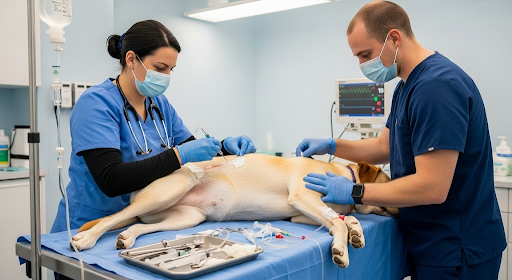
Veterinary neurology is a highly specialized field that deals with the diagnosis and treatment of neurological disorders in pets, such as seizures, spinal cord injuries, and brain diseases. Despite its importance, many misconceptions surround this branch of veterinary medicine. These myths not only confuse pet owners but also delay proper treatment for animals in need.
In this article, we’ll debunk 7 common myths about veterinary neurology and highlight the truth behind them, while showing how tools like veterinary imaging play a vital role in accurate diagnosis.
-
Neurological Issues in Pets Are Always Visible
Neurological disorders are not always easy to recognize. While some pets may display obvious signs like seizures or difficulty walking, others may only show subtle changes such as mild weakness or altered behavior. Diagnostic tools, particularly advanced veterinary imaging like MRI and CT scans, often reveal hidden conditions that cannot be identified through a physical exam alone.
- Only Older Pets Develop Neurological Problems
Age is not the sole factor. While degenerative conditions are more common in senior dogs and cats, pets of all ages—even young puppies—can suffer from congenital neurological disorders, infections, or trauma. Early and accurate diagnosis can make a huge difference in treatment success.
-
General Veterinarians Can Handle All Neurological Cases
General veterinarians play a crucial role in first identifying symptoms, but complex conditions usually require a referral to a veterinary neurologist. Specialists have advanced training and access to tools like veterinary imaging, spinal fluid analysis, and electrodiagnostic tests, allowing them to uncover conditions beyond the scope of routine care.
-
Neurological Conditions in Pets Can’t Be Treated
Many pet owners fear that a neurological diagnosis means the end of hope. The truth is, several conditions are treatable with medication, surgery, or rehabilitation therapy.
For example, spinal surgery can help dogs with intervertebral disc disease walk again, and seizure disorders can often be controlled with the right medication.
-
Veterinary Neurology Is Too Expensive to Consider
While specialized care may seem costly upfront, accurate diagnosis and targeted treatment often save money in the long run by preventing repeated visits and ineffective therapies. In fact, technologies such as veterinary imaging ensure that veterinarians pinpoint the exact problem quickly, leading to better outcomes and efficient care.
-
All Neurological Disorders Cause Permanent Paralysis
Not every neurological condition leads to paralysis. Some pets may experience temporary weakness, loss of balance, or seizures without long-term effects. With timely intervention, many regain normal mobility and enjoy healthy, active lives.
-
Neurology Specialists Only Recommend Surgery
Surgery is just one option in a neurologist’s toolkit. Many neurological problems are managed with medication, physiotherapy, or lifestyle adjustments. Surgery is usually considered only when less invasive treatments are not effective.
Conclusion
Understanding the truth about veterinary neurology empowers pet owners to make informed decisions about their pets’ health. From seizures to spinal injuries, neurological disorders can be complex—but they are often manageable with the right care and technology.
Thanks to advances in veterinary imaging and specialized neurology expertise, pets with neurological conditions can lead happier, healthier lives.