
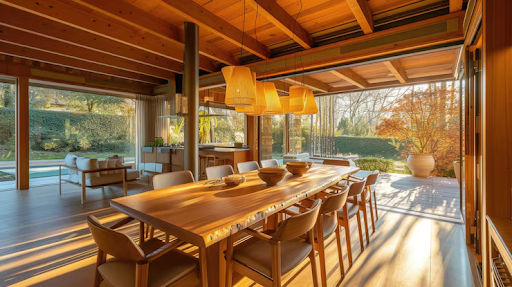
Homeowners often invest heavily in interior renovations while overlooking outdoor spaces that serve practical daily needs. Yet some of the most impactful improvements occur outside the home itself. A well-designed carport, for example, provides vehicle protection, expands usable space, and can significantly enhance curb appeal.
Among the many options available today, timber structures continue to stand out for their combination of strength, craftsmanship, and visual character. Unlike standard metal or prefabricated alternatives, custom-built timber designs offer a level of architectural presence that complements a wide range of residential styles.
Why More Homeowners Are Choosing Timber
Outdoor structures must withstand years of exposure to sun, rain, wind, and seasonal temperature changes.
This makes material selection especially important.
Many homeowners are drawn to Custom timber carports because timber offers several advantages:
- Natural beauty and warmth
- Structural strength
- Design flexibility
- Long-term durability
- Compatibility with various architectural styles
Heavy timber construction has been used for centuries in residential and commercial buildings, demonstrating its ability to perform reliably over extended periods when properly designed and maintained.
More Than Just Vehicle Protection
A carport serves an obvious purpose: shielding vehicles from the elements.
However, its value often extends beyond parking.
A thoughtfully designed structure can help:
- Reduce sun exposure and UV damage
- Protect vehicles from rain and snow
- Create covered outdoor gathering space
- Improve property organization
- Enhance overall property aesthetics
For households with multiple vehicles, recreational equipment, or outdoor storage needs, a carport can become one of the most frequently used spaces on the property.
Design Flexibility Matters
One reason many homeowners favor timber-frame carports is the ability to customize the design around their property.
Unlike mass-produced solutions, custom timber structures can be tailored to accommodate:
- Single or multiple vehicles
- RV or boat storage
- Attached or freestanding configurations
- Decorative architectural features
- Integrated lighting systems
- Matching rooflines
This flexibility allows the structure to feel like a natural extension of the home rather than an afterthought.
Blending Function With Architectural Style
A common concern with outdoor additions is maintaining visual consistency.
A poorly matched structure can detract from a property’s appearance, regardless of its usefulness.
Timber construction offers versatility across many home styles, including:
- Craftsman
- Mountain and lodge-inspired homes
- Farmhouse designs
- Traditional residences
- Contemporary homes with natural materials
Because timber can be customized in terms of beam profiles, joinery, finishes, and roof styles, homeowners have greater control over the final appearance.
The Growing Appeal of Outdoor Living
Outdoor living trends continue to influence residential design.
According to the American Society of Landscape Architects (ASLA), homeowners increasingly prioritize outdoor spaces that support relaxation, entertainment, and everyday functionality.
As a result, many Wooden carports are being designed with multi-purpose use in mind.
When vehicles are absent, these covered areas may function as:
- Outdoor dining spaces
- Entertainment zones
- Gathering areas
- Seasonal workspaces
- Flexible recreational spaces
This added versatility can increase the overall usefulness of the investment.
Key Considerations During Planning
Successful projects begin with careful planning.
Before selecting a design, homeowners should evaluate:
Available Space
The structure should fit comfortably within the property’s layout while maintaining access and circulation.
Vehicle Requirements
Consider both current and future needs, including larger vehicles, trailers, or recreational equipment.
Local Regulations
Building codes, permits, setbacks, and homeowner association requirements may influence design options.
Roof Design
Roof style affects both appearance and weather protection.
Popular options include:
- Gable roofs
- Shed roofs
- Hip roofs
- Pavilion-style designs
These choices often play a major role in overall Timber carport design aesthetics.
Long-Term Value Beyond Convenience
While daily convenience is often the primary motivation, homeowners frequently appreciate additional benefits over time.
A well-built timber structure may contribute to:
- Improved property presentation
- Enhanced outdoor functionality
- Greater protection for vehicles and equipment
- Increased buyer appeal
Prospective buyers often recognize the value of durable, visually appealing outdoor structures that require minimal modification after purchase.
Conclusion
A custom timber carport offers far more than simple vehicle coverage. It combines functionality, durability, and architectural character in a way that enhances both daily living and long-term property value. By carefully considering layout, materials, and design objectives, homeowners can create a structure that protects valuable assets while complementing the overall beauty and usability of their outdoor space.