Demolition work requires specialized skills, safety consciousness, and physical capability that standard labor forces may lack. A demolition staffing agency dallas connects demolition contractors with qualified workers experienced in safe deconstruction, debris management, and hazardous material handling. Understanding how specialized demolition staffing works helps contractors complete projects safely, efficiently, and within budget while maintaining compliance with strict safety regulations.
Demolition Industry Workforce Needs
Deconstruction projects present unique staffing challenges:
Safety-Critical Work Demolition poses inherent dangers requiring workers trained in hazard recognition and safe work practices.
Physical Demands Demolition requires strength, stamina, and ability to work in challenging conditions including dust, noise, and confined spaces.
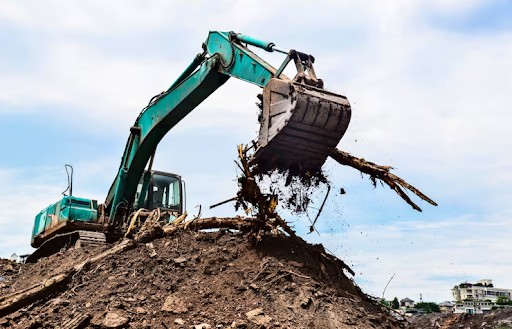
Equipment Operation Many demolition tasks require operators skilled with excavators, dozers, and specialized demolition equipment.
Project Variability Demolition projects vary dramatically in size, complexity, and duration affecting workforce planning.
Specialized Knowledge Hazardous material awareness, structural assessment, and debris sorting require specific training and experience.
Schedule Pressure Tight timelines and phased demolition work require flexible workforce scaling.
Demolition Crew Staffing Services
Professional agencies provide comprehensive support:
General Demolition Laborers Workers handling manual deconstruction, debris sorting, site cleanup, and material loading.
Equipment Operators Certified operators for excavators, loaders, and specialized demolition machinery.
Skilled Demolition Workers Experienced personnel familiar with selective demolition, interior strip-outs, and structural deconstruction techniques.
Hazmat-Trained Personnel Workers with asbestos awareness, lead safety, and other hazardous material handling training.
Salvage Specialists Crew members skilled in careful deconstruction preserving materials for reuse or recycling.
Site Supervisors Experienced foremen managing crews and ensuring safety compliance during demolition operations.
Cleanup Crews Teams focused on final debris removal, site grading, and preparing properties for next phases.
Safety Training and Certification
Demolition worker recruitment Dallas emphasizes safety qualifications:
OSHA 10/30 Hour Construction industry safety training with focus on hazard recognition and prevention.
Asbestos Awareness Required training for work potentially involving asbestos-containing materials.
Lead Safety Certification for projects involving lead paint removal or structures built before 1978.
Confined Space Training for demolition work in tanks, basements, or other confined spaces.
Fall Protection Certification for work on structures requiring fall arrest systems and scaffolding.
Respirator Fit Testing Proper respiratory protection fitting and training for dust and chemical exposure.
First Aid/CPR Emergency response training particularly important given demolition risks.
The Staffing Process
Agencies follow systematic procedures:
Project Assessment Understanding demolition scope, timeline, required skills, and crew size needs.
Worker Selection Matching appropriately trained and experienced workers to specific project requirements.
Safety Verification Confirming current certifications, safety training, and medical clearances.
Site Orientation Ensuring workers receive project-specific safety briefings and hazard awareness training.
Equipment Coordination Verifying workers have experience with equipment types used on specific projects.
Ongoing Monitoring Regular safety checks and performance evaluation throughout project duration.
Flexible Adjustments Scaling crews up or down as demolition phases progress.
Benefits for Demolition Contractors
Specialized staffing provides distinct advantages:
Pre-Screened Safety Compliance Workers arrive with verified safety training reducing contractor liability and training burdens.
Rapid Crew Assembly Quickly gathering qualified crews for projects without lengthy recruitment processes.
Specialized Skill Access Finding workers with specific demolition experience or certifications difficult to locate directly.
Workers’ Compensation Coverage Agencies carry workers’ compensation protecting contractors from demolition injury claims.
Flexible Workforce Scale crews matching project phases without permanent overhead between demolition contracts.
Reduced Liability Agency employment relationships limit contractor exposure to employment-related claims.
Administrative Relief Agencies handle payroll, taxes, and documentation freeing contractors for project management.
Project Types Served
Demolition staffing supports diverse projects:
Commercial Building Demolition Office buildings, retail centers, and industrial facilities requiring systematic deconstruction.
Residential Demolition Single-family homes and multi-family structures preparing sites for redevelopment.
Interior Gut-Outs Selective demolition removing interior finishes while preserving structural shells.
Industrial Dismantling Decommissioning factories, power plants, and specialized industrial facilities.
Bridge and Infrastructure Removing aging infrastructure making way for replacement structures.
Environmental Remediation Hazardous material abatement and contaminated structure removal.
Disaster Response Emergency demolition of damaged structures following storms, fires, or other disasters.
Equipment Operation Requirements
Qualified operators handle specialized machinery:
Excavators High-reach excavators with specialized attachments for safe structural demolition.
Dozers and Loaders Equipment moving debris, grading sites, and loading materials for removal.
Concrete Crushers Machinery breaking concrete for recycling and size reduction.
Material Handlers Equipment sorting and organizing debris for proper disposal or recycling.
Compactors Machinery reducing debris volume improving transportation efficiency.
Cranes Equipment for controlled structural element removal in selective demolition.
Hazardous Material Handling
Trained workers manage environmental concerns:
Asbestos Recognition Identifying suspected asbestos-containing materials and following proper protocols.
Lead Paint Awareness Safe work practices around lead paint avoiding exposure and contamination.
Chemical Storage Properly handling and disposing of chemicals found during demolition activities.
Underground Tanks Safe exposure and removal of buried fuel tanks and storage vessels.
PCB-Containing Equipment Recognizing and properly handling transformers and equipment containing polychlorinated biphenyls.
Deconstruction Labor Services
Salvage-focused demolition requires specific skills:
Careful Disassembly Removing architectural elements, fixtures, and materials without damage for reuse.
Material Sorting Separating salvageable materials from waste for donation or resale.
Historic Preservation Specialized techniques preserving historic elements during renovation or partial demolition.
Recycling Optimization Maximizing material recovery reducing landfill disposal and environmental impact.
Cost Considerations
Understanding demolition staffing economics:
Hourly Rates All-inclusive pricing covering wages, benefits, taxes, insurance, and agency fees.
Crew Size Pricing Rates may vary based on complete crew requirements versus individual workers.
Specialized Skills Premium Hazmat-trained workers or certified equipment operators command higher rates.
Project Duration Longer-term projects may qualify for discounted rates compared to very short assignments.
Emergency Response Rush demolition or disaster response work may carry premium rates for rapid mobilization.
Quality and Performance Standards
Professional agencies maintain standards:
Safety Performance Monitoring Tracking incidents and near-misses ensuring workers maintain safety-first approaches.
Productivity Assessment Evaluating work output ensuring crews meet demolition project timeline requirements.
Equipment Care Monitoring how operators treat machinery preventing abuse and damage.
Attitude and Professionalism Ensuring workers represent contractors professionally in neighborhood and community settings.
Drug and Alcohol Screening Random testing maintaining safe, sober workforce on dangerous demolition sites.
Building Long-Term Partnerships
Successful relationships benefit all parties:
Clear Expectations Detailed project descriptions and safety requirements communicated upfront.
Fair Treatment Respecting workers despite temporary status improves performance and reduces turnover.
Open Communication Regular dialogue about performance, safety concerns, and project changes.
Recognition Acknowledging good work builds loyalty and improves worker retention for future projects.
Volume Relationships Regular users often receive priority service, better rates, and access to top performers.
Conclusion
Demolition staffing agency dallas services provide essential access to safety-trained, experienced workers for challenging deconstruction projects. Specialized agencies understand unique demolition requirements including safety training, hazardous material awareness, and physical demands that general labor forces may not possess. By partnering with experienced demolition crew staffing services, contractors gain pre-screened, qualified workers while agencies handle workers’ compensation, compliance, and administrative burdens. Whether managing commercial building demolition, residential teardowns, or specialized industrial dismantling, professional staffing solutions deliver the skilled, safety-conscious workforce necessary for successful, compliant demolition project completion.