
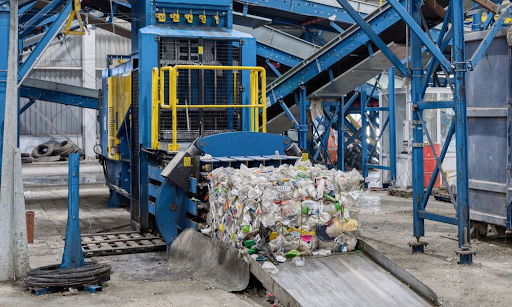
In modern industrial and commercial settings, effective waste management is crucial for operational efficiency, cost savings, and environmental responsibility. Compactors play a pivotal role in achieving these goals by reducing the volume of waste, improving storage efficiency, and simplifying disposal. Businesses ranging from manufacturing plants to retail centres rely on compactors to streamline waste handling while maintaining compliance with health and safety regulations.
Understanding the Role of Compactors
A compactor is a mechanical device designed to compress waste materials into a smaller, manageable form. By consolidating waste, these systems reduce the space needed for storage, minimise transportation costs, and decrease the frequency of waste collection.
Modern compactors can handle a wide variety of materials, including cardboard, plastics, food waste, and general refuse. They are available in various sizes and configurations, making them suitable for both small commercial establishments and large industrial facilities.
Benefits of Using Compactors
Implementing a compactor system offers several key advantages:
- Space Efficiency: Compacted waste takes up significantly less room, freeing up valuable storage space.
- Cost Savings: Fewer waste pickups reduce transportation costs and landfill fees.
- Improved Hygiene: Reducing the volume of waste limits exposure to pests and minimises unpleasant odours.
- Environmental Impact: Efficient compaction supports recycling and reduces the carbon footprint associated with frequent waste transport.
By investing in a compactor, businesses can achieve operational efficiency while promoting sustainable waste management practices.
Types of Compactors
Compactors come in various forms depending on the type of waste and the scale of operation:
- Stationary Compactors: Fixed units that compress waste on-site, ideal for large volumes.
- Portable Compactors: Mobile units suitable for smaller facilities or temporary projects.
- Self-Contained Compactors: Equipped with a storage container, these units allow for seamless collection and disposal.
Businesses can select the type of compactor that best aligns with their waste volume, operational workflow, and space constraints.
Integrating Compactors with Other Waste Management Systems
For maximum efficiency, compactors can be integrated with other systems such as recycling lines or balers. Certain setups allow continuous waste movement directly from production areas to the compactor, reducing manual handling and streamlining operations. This integration minimizes downtime and improves overall productivity in waste-heavy industries.
Considerations When Choosing a Compactor
Selecting the right waste compactors requires careful evaluation of several factors:
- Waste Type: Identify the primary materials being disposed of to determine the appropriate compactor design.
- Volume: Estimate daily or weekly waste output to choose a unit capable of handling the load efficiently.
- Space Availability: Ensure the compactor fits within the facility layout while allowing safe access and operation.
- Maintenance Requirements: Look for units with easy-to-maintain components to reduce downtime and prolong equipment life.
- Regulatory Compliance: Confirm the system meets local environmental and safety regulations for waste management.
Working with a trusted provider ensures the chosen compactor meets operational and legal requirements while delivering long-term value.
Maintenance and Safety
Regular maintenance is essential to keep compactors running efficiently. Lubrication, inspection of moving parts, and periodic checks of hydraulic systems help prevent breakdowns. Operators should also be trained in safe usage, including proper loading procedures and emergency shutdown protocols. Following these guidelines reduces the risk of accidents and maximises the lifespan of the equipment.
Conclusion
Compactors are indispensable tools for businesses seeking to optimise waste management, reduce costs, and improve operational efficiency. By using compactors and integrating systems such as conveyor lines, companies can handle waste more effectively, maintain a cleaner environment, and promote sustainability. Investing in a reliable compactor system not only simplifies waste disposal but also ensures long-term savings and enhanced workplace safety, making it an essential component of modern industrial and commercial operations.