
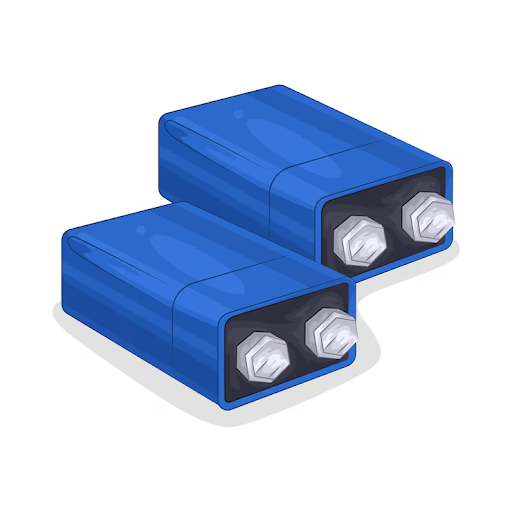
Mid-voltage battery systems occupy a useful middle ground between standard 12V setups and higher-voltage industrial systems. This voltage class is common in equipment that needs more power density than a typical consumer battery bank but does not require the complexity of a full commercial-scale system.
Understanding where this voltage class fits helps buyers avoid over-engineering a simple application or under-powering a demanding one.
Choosing correctly at this stage also simplifies future maintenance, since matching your battery to the equipment’s original voltage design avoids the need for additional converters or controller modifications.
This guide looks at where this voltage class fits, what makes lithium chemistry a meaningful upgrade, and what to check before making a purchase.
Whether you are replacing an aging lead-acid pack or specifying a battery for new equipment, having a clear picture of what to expect makes the decision far easier.
The sections below walk through everything worth knowing before you buy.
Where This Voltage Class Fits
A 36v 60ah lithium battery is a common choice for this exact use case, offering enough capacity and voltage to run demanding electric equipment efficiently.
Golf carts, electric utility vehicles, and certain industrial tools frequently run on 36-volt architecture because it strikes a balance between motor efficiency and wiring complexity. Compared to a 12V or 24V system delivering the same power, a 36V setup runs at lower current, which reduces heat and wiring losses.
Capacity and Runtime Expectations
At 60 amp-hours, this configuration provides a solid runtime for moderate daily use without excessive size or weight. Actual runtime depends heavily on the connected equipment’s draw, so it is worth calculating expected load before assuming a specific number of hours of operation.
Seasonal factors also affect runtime, since colder temperatures can temporarily reduce usable capacity until the battery warms during active use.
Advantages of a 36V LFP Battery Over Older Chemistry
Compared to legacy lead-acid packs used in similar equipment, a modern 36v lfp battery offers a longer cycle life, faster charging, and a flat discharge curve that keeps equipment performance more consistent as the battery depletes. This consistency is particularly noticeable in equipment sensitive to voltage sag under load.
Weight and Space Savings
One of the most practical benefits of switching to a 36v 60ah lithium pack is the dramatic reduction in weight compared to an equivalent lead-acid bank. This matters directly for mobile equipment like carts, where reduced battery weight can improve range, acceleration, and overall handling.
The smaller physical footprint of lithium packs also frees up storage or cargo space that a bulkier lead-acid bank would otherwise occupy.
What to Check Before Upgrading
Confirm that your equipment’s charger and controller are compatible with lithium charging voltages before swapping out an existing lead-acid pack, since charge profiles differ between chemistries. Physical dimensions and terminal placement should also be checked against your existing battery compartment to ensure a proper fit.
Comparing Suppliers Before You Buy
Not all batteries labeled with the same voltage and capacity perform identically, so comparing cycle life ratings, warranty terms, and included battery management features helps separate a genuinely well-built pack from a budget import. A longer warranty period is often a reliable signal of a manufacturer’s confidence in cell quality.
Reading verified customer feedback about real-world runtime, rather than relying solely on published specifications, can also reveal how a battery performs once it has been in service for a year or more.
Charging Speed and Compatibility Notes
Lithium chemistry generally accepts a faster charge rate than lead-acid without the same risk of damage, meaning a properly matched charger can significantly cut down recharge time between uses. This is especially useful for equipment used multiple times in a single day, such as a golf cart in regular rotation.
Always confirm the charger’s maximum output current does not exceed the battery’s rated charge acceptance, since exceeding that limit can shorten cell life even with an otherwise well-built battery.
Conclusion
Mid-voltage lithium batteries offer a meaningful upgrade path for equipment that has traditionally relied on heavier, shorter-lived lead-acid packs. By confirming charger compatibility and physical fit ahead of time, owners can make the switch smoothly and enjoy longer runtime, reduced weight, and a longer service life overall.
Taking the time to compare suppliers on quality rather than price alone tends to pay off in fewer replacements and better performance over the equipment’s working life.
A well-chosen 36V lithium pack should provide dependable, consistent power for the entire working life of the equipment it powers.