
Prom night is one of the most anticipated events in a young person’s life. The dress you choose becomes part of the memory—photographed, revisited, and remembered for years. As fashion evolves, more students and parents are looking beyond off-the-rack options and exploring what higher-end dressmaking can offer for this milestone occasion.
The Difference Between Standard and Couture-Level Prom Dresses
Not all formal dresses are created equal. Standard prom dresses are typically mass-produced in fixed sizes, using mid-grade fabrics and generalized construction. Couture-level pieces, by contrast, are made with attention to drape, structure, and precision finishing that elevate how a garment sits on the body. The difference is visible in the silhouette and felt in how the wearer moves.
Fabric selection is one of the clearest markers of quality. Couture-level prom gowns often feature silk charmeuse, duchess satin, chiffon layers, or structured mikado—materials that respond to light differently and hold their shape through a full evening of dancing and photography.
Silhouettes That Define the Season
Each prom season brings forward a set of silhouettes that dominate the dance floor. Ball gowns remain a perennial favorite, offering a dramatic skirt volume that photographs beautifully. Fitted A-line styles provide an elegant balance between structure and comfort, while column gowns suit those who prefer a sleek, minimalist aesthetic.
For students seeking something that blends structure with modern glamour, exploring prom dress couture collections allows a closer look at how current silhouettes are interpreted through precision tailoring. These gowns reflect seasonal trends while maintaining the wearability required for a long evening.
Mermaid silhouettes have also grown in popularity, particularly among those who want a figure-forward look. These styles require careful sizing and often benefit from more refined construction techniques, where interior boning and strategic seaming create a smooth, body-skimming line.
Embellishment and Detail Work
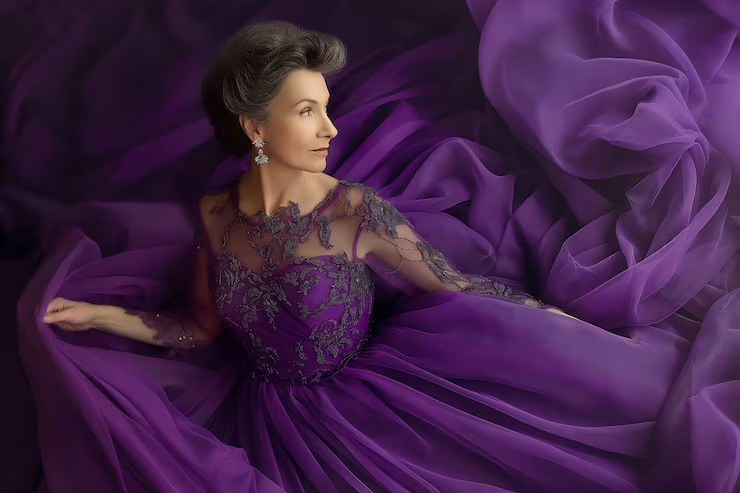
One of the most visually striking aspects of elevated prom gowns is the embellishment. Hand-applied beading, sequin patterning, and intricate lacework set certain dresses apart from their mass-produced counterparts. These details are labor-intensive by nature, which is why they are more commonly found in higher-quality collections rather than budget fashion lines.
Floral appliqués, both three-dimensional and flat, have become increasingly sought after. Whether placed along a neckline, scattered across a skirt, or concentrated at the waist, they add texture and visual interest that makes a gown distinctive in a room full of formal wear. Embellishment placement requires a skilled hand to ensure balance and proportion across the full garment.
Color Trends and Fabric Pairings
Color selection plays a significant role in how a prom gown reads in person and on camera. Classic ivory, champagne, and blush tones continue to hold strong. Deep jewel tones—emerald, sapphire, and burgundy—remain popular for students who want a bolder look. Dusty pastels, including sage and mauve, have gained traction in recent seasons.
The fabric chosen to carry a color matters enormously. Matte fabrics like crepe or matte satin absorb light and convey sophistication. Lustrous fabrics like silk and charmeuse reflect light and add brightness. For embellished gowns, the base fabric’s texture will affect how beading and sequins catch and scatter light throughout the evening.
Getting the Fit Right
Even the most beautifully constructed prom gown will underperform if the fit is not attended to. Prom dresses should be tried on with the planned undergarments and footwear to assess the correct hemline and bodice position. Common alterations include hemming, taking in side seams, and adjusting strap length—all of which a skilled tailor can handle with relative ease.
Ordering well in advance is critical. Couture-level prom dresses may have longer production lead times than department store alternatives, and alterations require additional turnaround time. Planning several months ahead ensures there is adequate time for adjustments without the stress of a tight deadline.
Conclusion
Choosing the right prom dress is about more than following a trend—it is about finding a gown that reflects the wearer’s personality and makes them feel confident on a memorable night. Elevated craftsmanship, considered fabric selection, and precise fit are what separate a truly standout gown from a forgettable one. Investing time in exploring well-made options pays off in photographs and memories that last long after the evening ends.